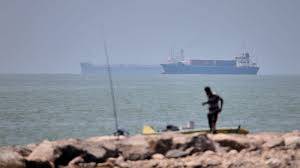
TEHRAN – The good news: The Strait of Hormuz is open again, after Iran and the United States signed a memorandum of understanding this week. The bad news: It may be too late. Oil hasn’t been coming out of the Middle East for nearly four months. All told, the world lost 1.15 billion barrels of oil supply during the war, according to analytics firm Kpler. That has left the oil market in a precarious state, and it’s rapidly approaching a breaking point. The International Energy Administration’s strategic petroleum reserves are at their lowest levels since 1990. The American emergency reserve is at a 43-year low. And commercial inventories have hit operational stress levels. “You want to see bedlam?” President Donald Trump said at the G7 in Versailles Wednesday. “We run out of reserves in about four weeks.” Trump is right. But reopening the strait this week may not get oil out of the Persian Gulf fast enough to prevent crude inventories from effectively running to empty. The oil market certainly believes Trump’s timing is impeccable. Prices have, as he predicted, fallen like a rock in recent days as the memorandum of understanding with Iran took shape and went into effect.
Brent crude prices began falling after the mid-April ceasefire announcement, sinking from a wartime peak of $126.41 to below $80 a barrel today. Underpinning oil’s decline was the historic oversaturation of crude going into the war that effectively cushioned the world from its biggest-ever supply shock. But that oversupply has evaporated and rapidly turned into a concerning deficit. The world’s oil stockpiles have fallen – sharply – by 190 million barrels over the past several months. A critical oil hub in Cushing, Oklahoma, which pipes fuel all around the United States, just hit its operational stress level – the equivalent of when the coffee drops below the spigot, and you need to tip the urn to get the last bits of sludge into your mug. Much of what collects at the bottom of an oil tank is unusable gunk, making it hard to maintain pressure in the pipes to get oil out to customers. It’s not only happening in Cushing – storage facilities around the world are nearing a tipping point. “There would be a time when you wouldn’t be able to get it (oil),” Trump said Wednesday, warning of a looming “economic catastrophe” had the strait not reopened. He said that would have brought him comparisons to Herbert Hoover, the former president who oversaw the beginning of the Great Depression. Reopening the strait won’t immediately solve the world’s inventory problem. It will only start the process of getting oil to flow normally again. The strait will need to be de-mined, empty tankers will need to start coming back into the area, production will need to restart and oil will need to start the slow journey to its destination. None of that will happen quickly – it’s a process that the oil industry believes could take months before the flow of oil returns to something approaching “normal.”
Until the oil market truly returns back to something approaching normal, the system will continue to rely on those stockpiles. That’s why a number of industry analysts believe oil prices have moved too low, and the market is underpricing the risk of effectively running out of oil before the tanks can be replenished. “The market has jumped 7 steps ahead of where we are now,” said Helima Croft, head of global commodity strategy at RBC Capital Markets. “Everyone’s like: ‘This is over!’ But there’s a major logistical challenge to get back to where we were.” Once the euphoria of the reopened strait ebbs, market fundamentals should eventually take over, sending oil prices higher again. “Regardless of what happens in the coming weeks in the Strait of Hormuz, US consumers are in for higher prices in the summer months,” said Matt Smith of Kpler. “It hasn’t played out that way yet because of the optimism about a deal. But market forces have to come into play here.”