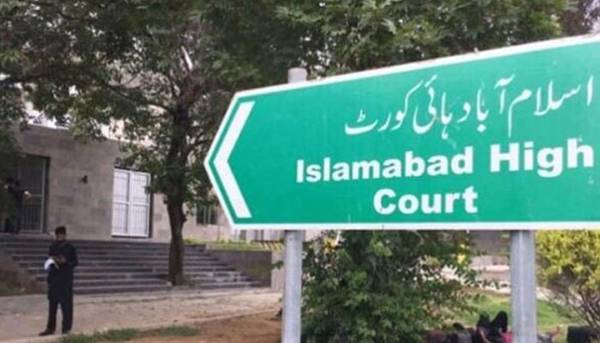
ISLAMABAD – The Islamabad High Court (IHC) will resume hearing on Tuesday (tomorrow) a petition challenging the federal government’s failure to appoint a permanent Commissioner for Indus Waters. A single-member bench headed by Justice Arbab Muhammad Tahir will hear the petition filed by the Judicial Activism Panel (JAP). At the previous hearing, the court had issued notices to the federation and described the matter as a serious issue.
During the earlier proceedings, counsel for the Ministry of Water Resources sought additional time to submit a reply regarding the non-appointment of the Pakistan Commissioner for the Indus Waters Treaty. The lawyer informed the court that government officials were occupied with budget-related matters and instructions could not be obtained in time. Justice Tahir directed the counsel to seek the government’s position and assist the court at the next hearing, emphasizing the importance of the issue. Representing the petitioner, Advocate Azhar Siddique argued that the post of Commissioner for Indus Waters has remained vacant since September 1, 2025. He contended that Article VIII of the Indus Waters Treaty requires the appointment of a permanent commissioner and that prolonged reliance on additional-charge arrangements undermines Pakistan’s ability to protect its treaty rights.
The petitioner further alleged that India’s proposed diversion of around two million acre-feet of water annually from the Chenab basin violates the Indus Waters Treaty, customary international law and internationally accepted principles governing transboundary water resources.
According to the petition, the project poses serious risks to Pakistan’s food security, agricultural productivity and economic stability, affecting millions of people dependent on the Chenab River system.
The petitioner has requested the court to direct the federal government to appoint a permanent commissioner immediately and pursue all available diplomatic and legal avenues, including engagement with the World Bank, the Permanent Indus Commission and other international forums, to safeguard Pakistan’s water interests.