Shangla – A profound sense of grief engulfed Shangla on Friday as the bodies of miners killed in the coal mine disaster at Spin Karez (Sorange), near Quetta, were brought back to their native villages for burial, plunging the district into mourning.
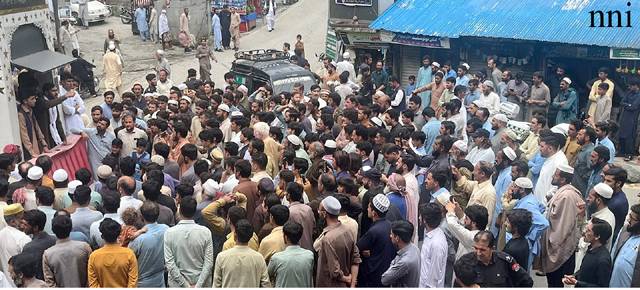
Heart-rending scenes unfolded across the mountainous district as ambulances carrying the coffins arrived in villages, where thousands of mourners gathered to bid farewell to the victims.
The miners lost their lives in Thursday’s tragedy at a coal mine in Balochistan, where dozens of workers from Shangla had been employed deep underground. Rescue officials said poisonous gases and the hazardous conditions inside the mine severely hampered rescue efforts, turning the operation into a prolonged and dangerous recovery mission.
After hours of painstaking work, rescue teams recovered the bodies. By Friday, 32 bodies had reached Shangla, while legal formalities and transportation arrangements for the remaining victims were still under way.
Most of the deceased hailed from Pirabad, Daulat Kallay, Beley Baba and neighbouring villages, where relatives had waited anxiously through the night for the return of their loved ones.
As the coffins arrived, emotional scenes were witnessed throughout the district. Women wept inconsolably, elderly parents struggled to contain their grief, and children searched in vain for fathers, brothers and uncles they would never see again. In several households, more than one family member had perished, leaving entire families shattered.
Among the victims were three brothers and their paternal uncle, all from the same family. They had travelled to Balochistan in search of employment to support their families but returned home in coffins instead.
The disaster has deprived many families of their sole breadwinners, leaving widows and orphaned children facing an uncertain future.
Special prayers for the deceased were offered during Friday congregational prayers across the district. Religious scholars paid tribute to the miners, describing them as hardworking labourers who had risked their lives to earn an honest livelihood for their families. They also prayed for the eternal peace of the departed and strength for the bereaved families.
Following the prayers, protest demonstrations were held in different parts of Shangla, where participants demanded comprehensive reforms to improve safety standards in coal mines. Carrying placards and banners, protesters called for mandatory registration of miners, comprehensive life and health insurance, social security coverage, registration with the Employees’ Old-Age Benefits Institution (EOBI), and adequate financial compensation for the families of workers killed in mining accidents.
The demonstrators criticised what they described as the government’s repeated failure to address longstanding safety concerns in the mining sector.
They said coal miners from Shangla continued to lose their lives in preventable accidents, while official responses rarely extended beyond expressions of sympathy and unfulfilled promises of reform.
Funeral prayers were offered in the victims’ native villages before they were laid to rest in their ancestral graveyards. Thousands of mourners attended the funerals, where an atmosphere of profound sorrow prevailed as families bade a final farewell to their loved ones.
The tragedy also prompted widespread expressions of condolence from political leaders, elected representatives, religious scholars, journalists, traders, social activists and members of civil society.
Leaders of political parties, business organisations and community groups visited the bereaved families and urged the federal and Balochistan governments to introduce effective measures to ensure the safety and welfare of coal miners working in hazardous conditions.
Speakers at various protest gatherings observed that a significant proportion of Shangla’s workforce depends on coal mining for its livelihood, yet many miners remain outside the formal labour system and are deprived of legal protection, insurance, EOBI registration and social security benefits. They noted that many workers are employed through contractors and private leaseholders, leaving their families without adequate compensation when fatal accidents occur.
Residents said the latest disaster was part of a long history of fatal mining accidents involving workers from Shangla. They lamented that while every tragedy is followed by promises of reform and compensation, inadequate implementation has allowed the cycle of preventable deaths to continue.
They urged the government to move beyond symbolic condolence messages and implement lasting reforms by strictly enforcing mine safety regulations, safeguarding workers’ legal rights, expanding insurance and social security coverage, and introducing effective mechanisms to protect the lives and livelihoods of thousands of coal miners across the country.
Concluding the demonstrations, the protesters urged the federal and Balochistan governments to order an independent and transparent investigation into the Quetta coal mine disaster, prosecute all those found responsible, provide adequate compensation and long-term financial assistance to the bereaved families, and introduce lasting reforms to improve safety and working conditions in the country’s mines.