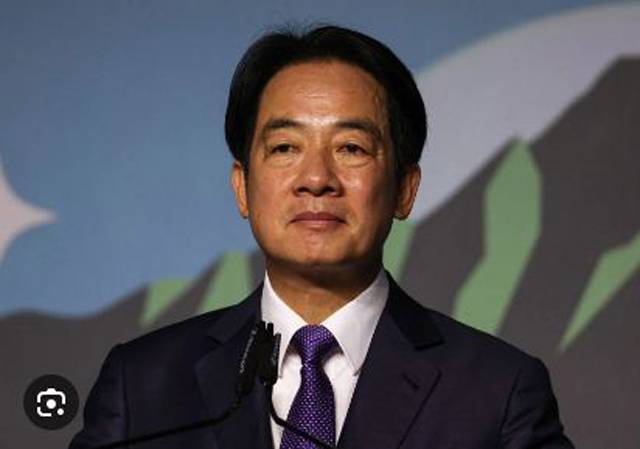
TAIPEI – Taiwan’s president and top officials late Wednesday practiced how they would respond to an attempted “decapitation strike,” an operation to take out the island’s leadership, like the US capture of Venezuelan leader Nicolás Maduro earlier this year. An armored personnel carrier whisked President Lai Ching-te and members of his staff from their offices in the capital Taipei to a fortified command center near the Defense Ministry, a statement from the president’s office said. “The drill was intended to review the command structure, inter-agency coordination, and emergency-response mechanisms, so as to ensure that the government can continue operating effectively and safeguarding national security” during any possible action against the island, Karen Kuo, the presidential spokesperson, said in a statement on Thursday. A government handout video showed the armored vehicle speeding through Taipei streets on the way to the command center. Lai was also seen donning a flak jacket, listening to briefings and issuing instructions during the drill. Dubbed the “Wan Chun,” the drill was part of the 10-day Han Kuang exercises, the island’s largest annual military drills, which began on Wednesday. The Wan Chun drill simulates the evacuation of Taiwan’s leader to a safe place in the event of war or other emergencies. While it was the first known time for Lai to participate, previous leaders like Tsai Ing-wen and Ma Ying-jeou have done so.
It’s been around since the Cold War era, when then leader Chiang Kai-shek became wary of an attempt on the island by the Chinese Communist Party, which claims Taiwan as part of its sovereign territory, despite never having controlled it.
Chinese leader Xi Jinping has vowed to bring Taiwan under party’s control, and has not ruled out the use of force to do so.
Images from China over the years have shown a mockup of the presidential office, other government agencies and street layouts in Taipei built in the Chinese desert and troops attacking it in exercises.
Meanwhile, Beijing keeps almost constant pressure on the democratic island with its own military exercises and gray-zone activities, tactics employing non-military assets like law enforcement and administrative units, in areas surrounding the island.
But the global security situation has brought new urgency to the Taiwanese exercises this year.