Pakistan Railways has approved a comprehensive reform roadmap aimed at modernising its operations, improving passenger services, increasing freight transportation and ensuring long-term financial sustainability.
An official of the Ministry of Railways told APP that the strategic plan focused on strengthening freight operations, upgrading infrastructure, encouraging private-sector participation and accelerating digital transformation across the railway network.
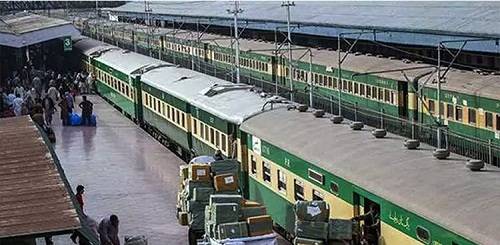
Under the roadmap, Pakistan Railways aims to increase its share of the national freight market from the existing 8 per cent to approximately 20pc following the upgradation of Main Line-1 (ML-1).
The official said the initiative would prioritise the transportation of coal, containers, cement, fertilisers, rock phosphate and other bulk commodities to expand the railway’s role in the country’s freight sector.
The department also plans to increase its passenger market share from the current 5pc to 7.52pc after completion of the ML-1 upgradation.
According to the official, the modernisation programme includes upgrading the ML-1, ML-2 and ML-3 railway corridors to increase line capacity, improve safety, reduce travel time and enhance operational efficiency.
The plan also envisages the development of freight terminals, marshalling yards and multimodal logistics parks, along with improvements to passenger facilities at railway stations.As part of its digital transformation strategy, Pakistan Railways is introducing Wi-Fi services at major stations, e-ticketing through the RABTA system, real-time train tracking, passenger complaint management systems and smart railway stations.
Other initiatives include automated command and control systems, digital freight booking, automated weighbridges, freight parcel management services and Enterprise Resource Planning (ERP).
The official said the RABTA application was already fully operational, allowing passengers to book tickets and make payments digitally.
He added that the SAP-based ERP system was being used to manage finances, procurement, inventory, stores, payroll and human resources, helping improve transparency, operational efficiency and real-time decision-making.
Pakistan Railways also plans to outsource the management of selected hospitals and schools while encouraging greater private-sector involvement in commercial land development.
The official said increased private-sector participation would help improve service delivery, attract investment and reduce the financial burden on the government.
He added that the reforms were expected to enhance operational efficiency, service quality and revenue generation.
The roadmap, he said, would ultimately improve passenger facilities, increase railway patronage, expand freight transportation and strengthen the department’s long-term financial sustainability.