The United Nations has warned that Afghanistan’s humanitarian crisis is worsening amid declining international aid, economic collapse, restrictions on women’s rights and growing pressure on the country’s already strained public services.
Bruno Lemarquis, Deputy Special Representative of the UN Secretary-General for Afghanistan and the UN Resident and Humanitarian Coordinator, highlighted the deteriorating situation during a news conference at UN Headquarters in New York.
He said women and girls continued to face severe restrictions on their freedoms, limiting their access to education, employment and public life.
According to the UN official, more than 2.6 million girls have been deprived of secondary education since 2021, while female university enrolment has fallen to zero. Economic difficulties are also preventing some families from sending their boys to school.
Responding to a question about the Taliban’s justification for restrictions on women and girls, Lemarquis said their explanations reflected a combination of religious extremism and longstanding practices of control and discrimination.
He added that despite appeals by the Organisation of Islamic Cooperation (OIC), Muslim countries and Islamic scholars, there had been no noticeable change in the Taliban’s policies.
The official also highlighted restrictions on Afghan female UN employees, who have been barred from entering UN premises across the country since September 2025.
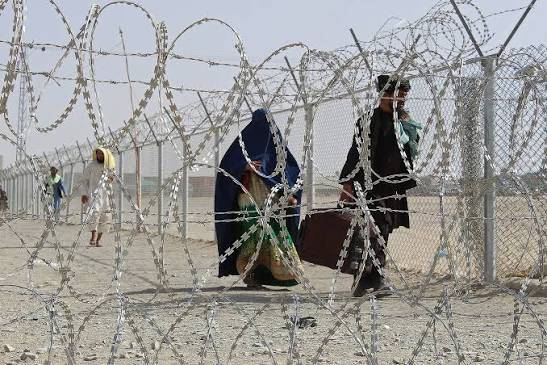
Meanwhile, the return of approximately 6.7 million Afghans since 2020 has placed additional pressure on the country’s limited resources and public services. Many returnees were forcibly expelled from neighbouring countries, particularly Pakistan and Iran.
Lemarquis stressed that returning families urgently needed legal documentation, protection and employment opportunities to rebuild their lives.
On the issue of illicit drugs, he said Afghanistan’s opium cultivation had declined significantly following the Taliban’s 2022 ban. However, a recent UN report indicated that opium poppy production increased by 330 percent in 2025, as farmers continued cultivation through concealed methods.He stressed that effective eradication required sustainable livelihood alternatives for farmers dependent on opium production.
The UN official warned that humanitarian needs were expected to increase sharply in 2027 due to the influx of returnees, regional instability and the effects of a stronger El Niño weather pattern, which could further threaten food security and access to essential services.
At the same time, international humanitarian assistance has continued to decline. Funding fell from $2 billion in 2023 to $1 billion in 2025, while only $570 million had been received in 2026.
He further warned that around 40 percent of Afghanistan’s primary healthcare facilities were expected to close between 2025 and 2026, equivalent to approximately 700 out of 1,900 health posts.
Lemarquis urged the international community not to abandon Afghanistan, warning that the consequences of the country’s worsening situation could extend beyond its borders and affect regional security, stability and migration patterns.