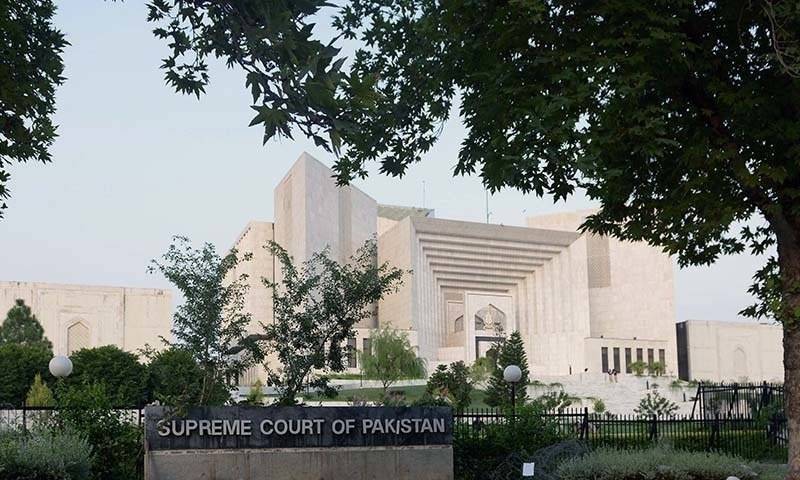
Supreme Court Justice Malik Shahzad Ahmed on Friday observed that court decisions in Pakistan are not made on oaths sworn on the Quran, remarking that if verdicts were based on such oaths, prisons would be empty.
The remarks came as the Supreme Court rejected a pre-arrest bail application filed by an accused allegedly involved in setting fire to a rival’s house and animals. A two-member bench headed by Chief Justice Yahya Afridi heard the case.
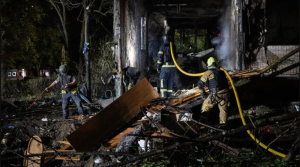
During the proceedings, Justice Malik Shahzad questioned whether the house and animals had actually been set ablaze. A police officer informed the court that both were burned, although no bullet casings were recovered from the scene.
The complainant’s counsel argued that the accused wanted to purchase a plot of land from the complainant. When the offer was refused, he allegedly set their house and animals on fire.
Justice Malik Shahzad asked the police about the findings of their open and discreet investigations. In response, the police officer said that during a jirga, the accused had sworn an oath on the Quran, claiming innocence.
At this, Justice Malik Shahzad remarked that if courts relied on Quranic oaths to decide cases, prisons would be empty. He stressed that such oaths are not a legal basis for court decisions and that police investigations must be grounded in credible evidence.
The police officer further told the court that no witnesses had testified against the accused. Justice Malik Shahzad responded by observing that no one would set fire to their own house and animals.
The accused, Amjad Ali, had sought pre-arrest bail in the case, which was registered earlier this year in March in the Skardu area.