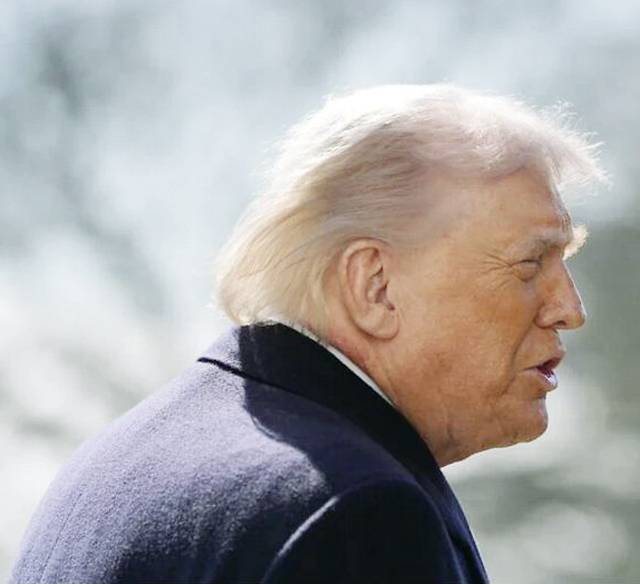
TEL AVIV, Israel – U.S. President Donald Trump said Friday he’s “not happy” with Iran talks so far but that he’ll wait to see what happens in additional rounds of negotiations with the Middle Eastern country over its nuclear program. “I’m not happy with the fact that they’re not willing to give us what we have to have. I’m not thrilled with that. We’ll see what happens. We’re talking later,” Trump told reporters as he left the White House on Friday. “We’re not exactly happy with the way they’re negotiating. They cannot have nuclear weapons,” Trump said.
Tensions between the United States and Iran remain high after their latest nuclear talks in Geneva on Thursday failed to reach and breakthrough, and as American forces gather in the region. Trump has threatened military action if Iran does not agree to a far-reaching deal to constrain its nuclear program. Iran insists it has the right to enrich uranium for peaceful purposes and denies seeking a nuclear weapon.
Trump was asked about the risks of the U.S. getting involved in a drawn-out conflict in the Middle East if it launches strikes on Iran. “I guess you could say there’s always a risk,” Trump replied. “You know, when there’s war, there’s a risk of anything, both good and bad.”
Earlier Friday, the U.S. State Department said that Secretary of State Marco Rubio would make a quick trip to Israel early next week. The U.S. Embassy in Israel had earlier urged staff who want to leave to depart, joining other nations in encouraging people to leave the region and signaling that U.S. military action might be imminent. The announcement of Rubio’s visit could indicate a longer timeline for any potential strike. A confidential report from the U.N. nuclear watchdog meanwhile confirmed that Iran has not offered inspectors access to sensitive nuclear sites since they were heavily bombed during the 12-day war launched by Israel last June. As a result, it said it could not confirm Iran’s claims that it stopped uranium enrichment after the U.S. and Israeli strikes. The State Department said in a statement that Rubio would visit Israel on Monday and Tuesday to “discuss a range of regional priorities including Iran, Lebanon, and ongoing efforts to implement President Trump’s 20-Point Peace Plan for Gaza.” It offered no other details. Israeli Prime Minister Benjamin Netanyahu has long urged tougher U.S. action against Iran, and has warned that Israel will respond to any Iranian attack.
The announcement of Rubio’s visit came just hours after the U.S. Embassy in Jerusalem implemented “authorized departure” status for non-essential personnel and family members, which means that eligible staffers can leave the country voluntarily at government expense.