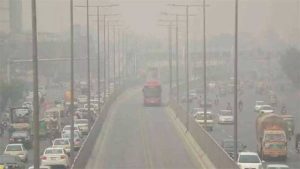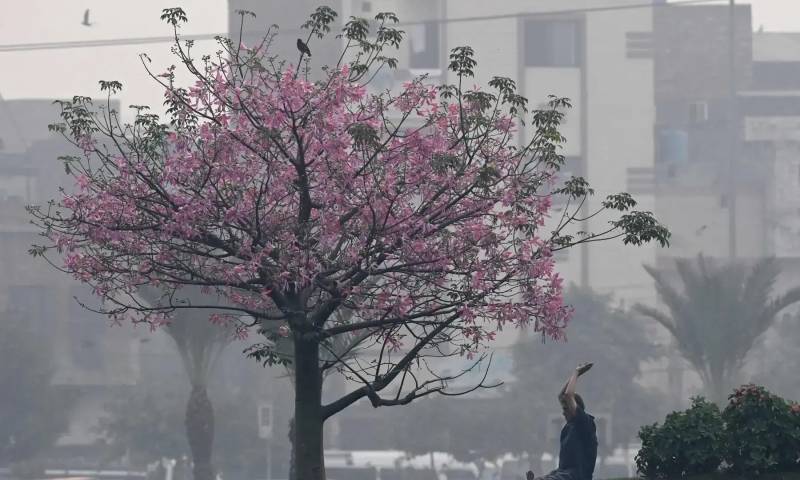
Pakistan was identified as the most polluted country in the world in 2025, with levels of fine particulate matter (PM2.5) reaching up to 13 times higher than the safety limits set by the World Health Organization, according to a new report.
The annual assessment by IQAir revealed that only 13 countries and territories managed to maintain average PM2.5 concentrations within the recommended threshold of 5 micrograms per cubic metre, an improvement from seven in the previous year. However, the vast majority—130 out of 143 monitored regions—failed to meet the guideline.
The report ranked Bangladesh and Tajikistan as the second and third-most-polluted countries, respectively. Chad, which topped the list in 2024, dropped to fourth place, though experts cautioned that limited data availability may have influenced the apparent improvement.
Researchers noted that the discontinuation of a major air quality monitoring programme by the United States Department of State in March affected data collection in several pollution-prone regions. The programme had previously gathered readings from US embassies and consulates worldwide. As a result, countries such as Burundi, Turkmenistan, and Togo were excluded from the latest report due to insufficient data.
At the city level, Loni in India recorded the highest pollution levels globally, followed by Hotan in China. Notably, all of the world’s 25 most polluted cities were located across India, Pakistan, and China.
Globally, only 14 per cent of cities complied with WHO air quality standards in 2025, a decline from 17 per cent the previous year. Factors such as large-scale wildfires in Canada contributed to elevated pollution levels across the United States and even parts of Europe.
Meanwhile, several countries, including Australia, Iceland, Estonia, and Panama, successfully met the WHO standards.
Some nations such as Laos, Cambodia, and Indonesia saw noticeable improvements in air quality, largely attributed to wetter and windier conditions linked to La Niña weather patterns. Mongolia also recorded a significant 31 per cent drop in PM2.5 levels.
Overall, the report found that 75 countries experienced reductions in pollution levels in 2025, while 54 countries saw their air quality deteriorate.