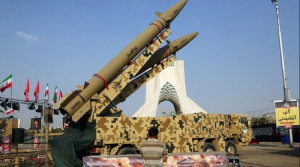
WASHINGTON/ TEHRAN – The United States is preparing for a major escalation in the ongoing Iran–Israel–US conflict, with plans under consideration for weeks-long ground operations inside Iran, signalling a shift from an air-dominated campaign to potential boots on the ground as the war enters a decisive phase.’According to reports by Reuters and The Washington Post, the Pentagon is weighing limited but high-intensity land incursions aimed at striking key strategic targets rather than launching a full-scale invasion. For nearly a month, US and Israeli forces have relied on sustained airstrikes targeting Iranian military infrastructure, but officials acknowledge these have failed to fully neutralise Iran’s retaliatory capabilities, prompting consideration of ground action.
Military planners have identified priority targets including Kharg Island and installations near the Strait of Hormuz, through which a significant portion of the world’s energy supplies passes. The objective is to cripple Iran’s economic and military capacity through a short, concentrated campaign involving elite US Marines, special operations forces, and elements of the 82nd Airborne Division. In a significant show of force, Washington has moved two additional aircraft carriers into the region and deployed around 3,500 Marines, with amphibious and naval assets positioned for rapid execution of any ground offensive. The buildup underscores growing readiness for escalation even as diplomatic channels remain open.
‘US officials concede that any ground incursion carries serious risks. Tehran has warned of strong retaliation if foreign troops enter its territory, raising fears of a wider regional war that could draw in multiple actors and disrupt global oil flows. Markets have already reacted nervously, with energy prices rising amid concerns over instability in the Strait of Hormuz.
The final decision rests with Donald Trump, who is reviewing military options amid mounting international pressure. While some within his administration argue that decisive action could force Iran into negotiations, others caution it may trigger prolonged instability across the Middle East.
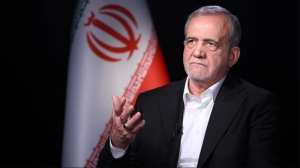
Meanwhile, Iran has accused Washington of preparing a land assault while simultaneously signalling willingness for talks. Parliament Speaker Mohammad Baqer Qalibaf said Tehran would never accept “humiliation” and warned that any deployment of US troops would be met with force.
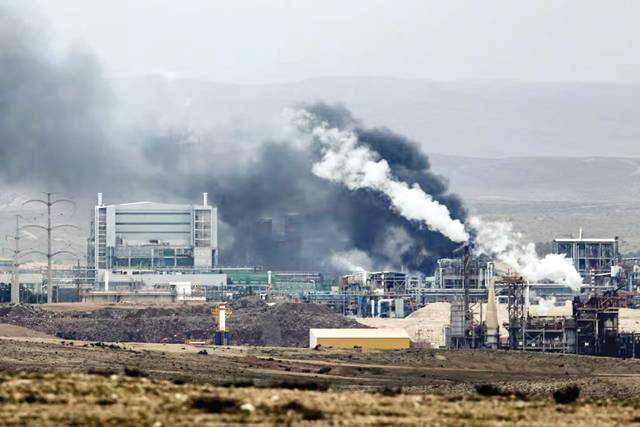
As the conflict entered its second month, Israel carried out overnight strikes in Tehran targeting what it described as ballistic missile-related facilities. Iran responded with multiple missile barrages, sending millions of Israelis into shelters. A major blaze erupted in an industrial zone in southern Israel, where chemical and hazardous waste facilities are located, after what authorities said was likely an impact or debris from an intercepted missile.
Israeli pesticide manufacturer ADAMA confirmed that its Makhteshim plant in the south was hit either directly or by debris, though no casualties were reported. Fire crews battled flames amid concerns over hazardous materials, eventually bringing the situation under control.
The war’s regional dimensions continue to expand. Iran-aligned Houthi forces in Yemen have launched attacks on Israel, while missile strikes and threats have extended across the Gulf. Iran’s Revolutionary Guard has also issued a stark warning that US-affiliated universities in the region could be targeted following attacks on Iranian academic institutions, giving Washington a deadline to condemn the strikes.
Diplomatic efforts are underway but have yet to yield a breakthrough. Pakistan hosted talks involving Saudi Arabia, Turkiye and Egypt aimed at de-escalation, with proposals focusing on restoring maritime traffic and reopening the Strait of Hormuz. However, both Washington and Tehran remain far apart on ceasefire terms.
Analysts warn that even limited US ground operations could spiral into a broader confrontation with far-reaching consequences for regional stability and global energy markets. With thousands already killed and supply chains disrupted, the conflict now stands at a critical juncture, where the next move could determine whether the crisis is contained—or expands into a prolonged and devastating war.