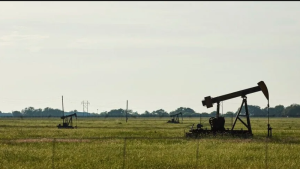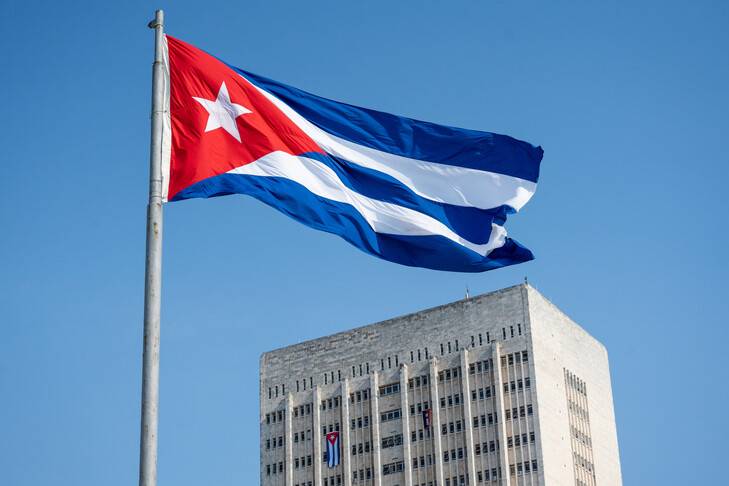
The Cuban government announced Tuesday that it will liberalize fuel prices, ending the fixed-price regime on energy commodities amid US economic sanctions and worsening fuel shortages.
In a statement, the Finance and Prices Ministry announced that foreign-currency fuel sale prices will be adjusted upward or downward based on the real costs of each specific operation starting May 15.
Until now, the Cuban government had maintained fixed fuel prices in an effort to counter rising pressures and volatility in global energy markets. However, the US economic blockade and restrictions targeting the island’s oil revenues have made the system unsustainable. “It cannot be economically sustained under present conditions,” the statement read.
Therefore, going forward, different retail fuel prices published at service stations will coexist, reflecting the real import costs faced by each economic actor. These prices will be influenced by suppliers, freight costs, supply routes, insurance, risks, and fluctuations in the international market,” the statement added.
Executive orders issued by the administration of US President Donald Trump on Jan. 9 and May 1 have curtailed Cuba’s oil supplies, dramatically affecting the quality of life of Cubans and keeping the Caribbean island in a state of survival.
Today, the availability of Cuba’s National Electric System stands at 1,250 megawatts, while demand has risen to 2,884 megawatts, leaving 1,649 megawatts affected.
“Cuba demands its inalienable right to import fuel in order to guarantee the country’s economic and social development and the well-being of its people,” the statement said.