The Punjab government has intensified anti-smog operations across the province on the directives of Chief Minister Maryam Nawaz Sharif, inspecting 221 industrial units and 354 brick kilns over the past 24 hours.
According to the Environment Department, seven industrial units and four brick kilns were sealed for violating environmental laws, while one industrial unit and one brick kiln were demolished. Fines of Rs310,000 were imposed on industrial units and Rs500,000 on brick kilns. A case was also registered against a brick kiln over environmental violations.
Enforcement against the use of substandard plastic and other environmental violations is also underway. During the past 24 hours, authorities inspected 169 locations, sealed three and confiscated 317 kilogrammes of plastic.To curb smoke emissions from commercial kitchens and barbecue outlets, officials inspected 131 locations and ensured the installation of suction hoods at 78 sites. Authorities are also monitoring the effectiveness of the installed equipment.
Monitoring operations are continuing through drones, night patrols and Hawk Eye field squads, with immediate action being taken against identified violations. The government is also deploying smog guns and using water sprinkling to reduce pollution at the local level.
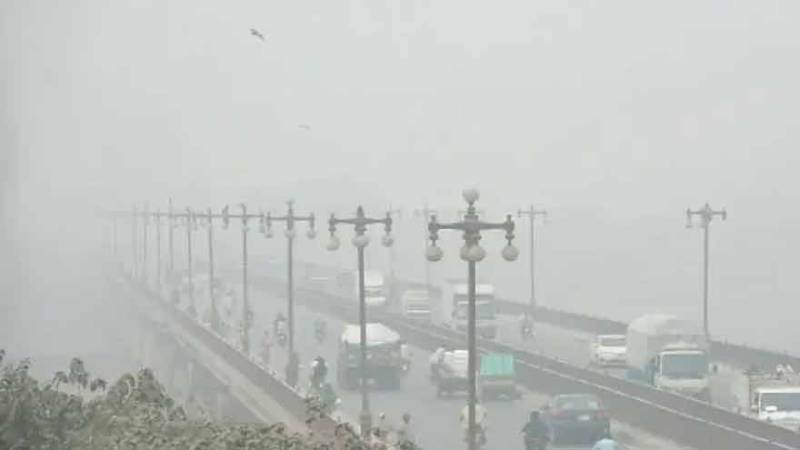
Meanwhile, Lahore recorded an Air Quality Index (AQI) of 172 on October 24, with winds blowing from the east-southeast at six kilometres per hour.Authorities said air pollution levels were being monitored continuously in view of fluctuations in wind speed, adding that anti-smog measures would be adjusted according to changing weather conditions.
Senior Provincial Minister Maryam Aurangzeb said preventive measures against environmental pollution were being strengthened, with identifying and controlling local pollution sources among the government’s top priorities.
She said field teams remained active to enforce environmental laws and provide citizens with cleaner air.
Aurangzeb urged farmers and citizens to cooperate with the anti-smog campaign, stressing that public participation was essential to controlling air pollution alongside government measures.