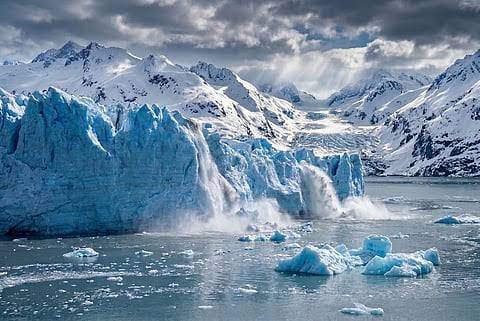
United Nations Secretary-General Antonio Guterres and Arctic researchers have warned world leaders about the accelerating loss of Arctic sea ice and its far-reaching consequences for the global environment ahead of the COP31 climate conference in Antalya, Türkiye.
During a video conversation with Dr. Maxime Geoffroy, chief scientist of the winter leg of the Tara Ocean Foundation’s Polaris Arctic expedition, Guterres discussed the rapidly changing Arctic environment and the need for stronger global action to address climate change.
Geoffroy said the Arctic was warming three to four times faster than the global average, warning that changes in the region could have serious consequences for oceans, climate patterns and biodiversity worldwide.
He explained that retreating sea ice was allowing researchers to travel farther into the Arctic through open-water channels, reflecting the significant reduction in ice compared with historical expeditions.
Guterres expressed concern over the possibility of the Arctic becoming ice-free during summer in the coming years. Geoffroy explained that sea ice reflects sunlight back into space, helping regulate the Earth’s temperature, while melting ice exposes darker ocean water that absorbs more heat and accelerates warming.
The researchers also warned that changing ocean circulation systems could affect marine ecosystems and climate patterns across the world, although the precise timing and scale of these impacts remain uncertain.
The expedition, conducted aboard the Tara Polar Station, has brought together scientists from 12 countries to study the Arctic Ocean through around 220 research protocols, covering marine biodiversity, climate change, carbon storage and other environmental concerns.
Geoffroy also highlighted growing commercial activity in the region, particularly oil tanker traffic along Russia’s Northeast Passage, warning that increased shipping could raise the risk of oil spills and marine pollution.
He said petroleum spills in Arctic waters could have devastating consequences because oil could remain trapped in ice for extended periods, making cleanup operations particularly difficult.The discussion also highlighted concerns over geopolitical tensions and growing strategic interests in the Arctic, with Guterres stressing the importance of protecting scientific research and evidence-based climate action.
The UN chief warned that powerful economic interests, particularly those linked to fossil fuels, were undermining scientific evidence and delaying climate action.
Emphasising the importance of research, Geoffroy urged world leaders to trust, follow and support scientific findings to address the environmental challenges facing the planet.
Guterres described climate change as an existential challenge, recalling his visits to Antarctica and the Himalayas, where he had witnessed the retreat of glaciers.