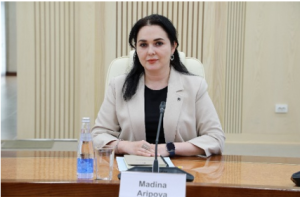
Tel Aviv – Israeli Ambassador to the US Yechiel Leiter is slated to hold a first-of-its-kind phone call this afternoon with his Lebanese counterpart Nada Hamadeh-Moawad in preparation for the pair meeting in-person in Washington for direct talks on a long-term ceasefire, the disarmament of Hezbollah, and normalization between Jerusalem and Beirut, Channel 12 reports.
A senior official from the US State Department will also be taking part in today’s phone call, as well as next week’s in-person meeting on Tuesday.
Ahead of the Tuesday meeting, Washington and Beirut are pushing Israel to agree to a ceasefire in Lebanon as a demonstration of Jerusalem’s seriousness about reaching an agreement, Channel 12 says.
In making the case to Israel, US officials have argued that the ceasefire would be framed as an achievement by the Lebanese government, as opposed to a win for Iran, which had been demanding its truce with the US cover Lebanon, to no avail.
Israel hasn’t yet made a decision on the matter, but there are some senior officials in Jerusalem arguing in favor of agreeing to a ceasefire, as it would merely return the sides to the terms of the previous truce from November 2024, under which the IDF is allowed to carry out attacks against threats deemed imminent. Such strikes have taken place in southern Lebanon over the past year and a half on a very regular basis.
The White House considered but decided against a national televised address by President Donald Trump on Tuesday about his ceasefire deal with Iran, with some aides and advisers privately voicing concern about potentially overselling the still-nascent agreement, three US officials tell Reuters.
The decision suggests a balancing act by the Trump administration, which sought to project early confidence in the deal to pause fighting and open the Strait of Hormuz, even as aides recognized its fragility.
The sources say Trump was talked out of making the speech. But the White House, in a statement, denied the discussions rose to Trump’s level, saying, “This is fake news. This was never even discussed with the president.”
Trump ended up announcing the ceasefire in a social media post just hours before a Tuesday evening deadline, after which he had threatened to destroy Iran’s entire civilization.
The reversal was one of the most sudden wartime U-turns by an American president.
One of the sources says Trump was “adamant” about delivering the address. The officials say it had been under consideration, but the White House did not move forward with it because details of the ceasefire were still shaky.
Trump’s senior advisers were working through what was in the deal and did not think they had enough clarity for the president to address the nation, the sources said.
The previous week, on April 1, Trump delivered a 19-minute prime-time address to Americans, staunchly defending his handling of the war and outlining plans for aggressive strikes on Iran over the next two to three weeks. Another address would have allowed him to explain the change in course.
One senior White House official acknowledged internal discussions about Trump addressing the nation on Tuesday night.
“There was chatter about it, but obviously it didn’t come to fruition, and we didn’t alert the networks or anything; it didn’t get that far,” the official tells Reuters, without confirming Trump was talked out of giving an address.