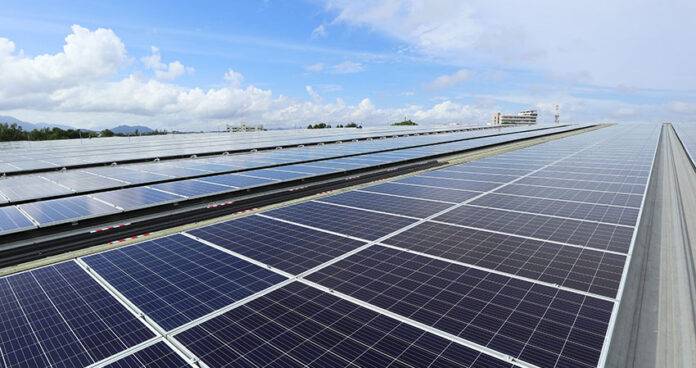
In a move aimed at facilitating small-scale renewable energy adoption, the National Electric Power Regulatory Authority (Nepra) has abolished the licensing requirement for solar consumers with systems of up to 25 kilowatts.
According to an official statement, the decision was taken on a request from the Power Division, easing regulatory conditions for households and small businesses using solar energy.
The development follows directives from Federal Minister for Energy Awais Leghari, who had instructed the Power Division to pursue regulatory simplification for solar users. Officials said Nepra issued the notification after receiving a formal communication from the division.
The move is expected to encourage wider adoption of solar energy by removing administrative barriers and promoting cleaner, cost-effective power solutions.
Earlier, acting on the minister’s directives, the Power Division had urged Nepra to withdraw newly introduced application fees for small-scale solar systems.
In a detailed memorandum, the division raised concerns over the Nepra Prosumers Regulations 2026, which replaced the 2015 net metering framework. While acknowledging the regulator’s broader reform efforts, officials argued that the new rules imposed a disproportionate burden on small residential consumers and required urgent review to support the country’s transition to green energy.
Under the 2015 framework, applications for solar systems of up to 25 kilowatts were processed by local distribution companies without requiring a Nepra licence or application fee, making the process accessible and cost-free for consumers.
However, the 2026 regulations centralised approvals under Nepra and introduced application fees across the board, including for small systems previously exempt. The changes drew criticism from industry stakeholders and renewable energy advocates, who said the measures created unnecessary bureaucratic and financial hurdles.