WASHINGTON/RIYADH – Yemen’s Houthis have warned Pakistan and Türkiye against any military intervention alongside Saudi Arabia, as escalating attacks on the Kingdom raise fresh questions over the role of the recently signed Makkah Joint Defence Agreement.
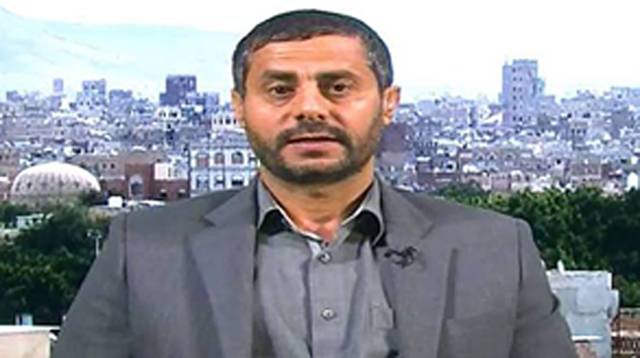
Houthi political bureau member Mohammed al-Bukhaiti said the group would respond forcefully if Pakistan or Türkiye became militarily involved in Yemen alongside Saudi Arabia. He said the warning was directed at the two governments rather than their populations.
The warning came after Turkish Foreign Minister Hakan Fidan said Türkiye was ready to meet Saudi Arabia’s possible military requirements under the trilateral defence pact with Pakistan. Fidan said Saudi Arabia was facing serious attacks on its sovereignty and territorial integrity and that the alliance had a responsibility to stand in solidarity with Riyadh. He indicated that any assistance could particularly involve technical military requirements.
The Makkah Joint Defence Agreement, signed by Saudi Arabia, Pakistan and Türkiye last month, provides for an armed attack against one member to be treated as an attack against all three. The agreement has assumed renewed significance following the escalation between Saudi Arabia and the Houthis.
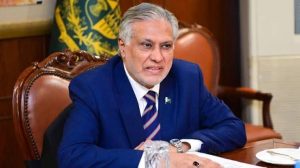
Pakistan has repeatedly reaffirmed its commitment to Saudi Arabia, although Islamabad has not announced any decision to launch military operations against the Houthis. Pakistan’s Foreign Office has previously said there had been no discussions about a military response under the Makkah agreement, while stressing that the pact would be implemented in its spirit.
The latest escalation followed a Houthi ballistic missile attack targeting Riyadh on Saturday. Saudi-led coalition forces said the missile was intercepted and destroyed, while the Houthis claimed responsibility for missile and drone attacks targeting sensitive sites in the Saudi capital and Aramco facilities in Yanbu.The attacks have raised concerns over regional security, energy supplies and international shipping. The Houthis have also expanded their offensive inside Yemen, while Saudi Arabia has carried out airstrikes against Houthi-held areas.
The United States warned on Sunday that the conflict could “escalate rapidly” and urged American citizens outside the Middle East to seriously reconsider travel to and through the region.
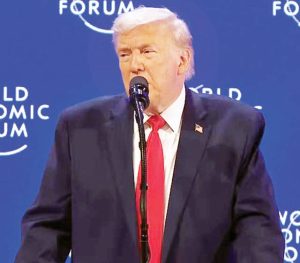
US President Donald Trump also cut short a weekend stay at Camp David and returned to the White House earlier than scheduled, although the administration did not immediately give a reason for the change.Trump separately said the Houthis had agreed not to fight the United States. According to Fox News reporter Trey Yingst, Trump said Washington remained in communication with the group and that the Houthis had agreed not to attack US forces.
Meanwhile, CIA Director John Ratcliffe met Egyptian President Abdel Fattah al-Sisi in Cairo on Sunday. The Egyptian presidency said Sisi stressed the importance of resolving regional crises through political and diplomatic channels.
Saudi Arabia has meanwhile sought to contain the impact of the Houthi attacks, with its air defences intercepting missiles and drones targeting several locations. The latest attacks have nevertheless increased pressure on Riyadh and its regional partners.The Bab al-Mandab Strait has emerged as another major concern as the Houthis expand their presence along Yemen’s Red Sea coast. The waterway is a key route for global shipping and energy supplies.
Türkiye has called for an end to the Houthi attacks, while Fidan said Ankara was discussing the situation with Saudi Arabia and Pakistan under the framework of the Makkah defence pact.
The developments have placed the trilateral agreement under its first major test since its formation, while raising questions over how far its members may become involved in the escalating Saudi-Houthi conflict.