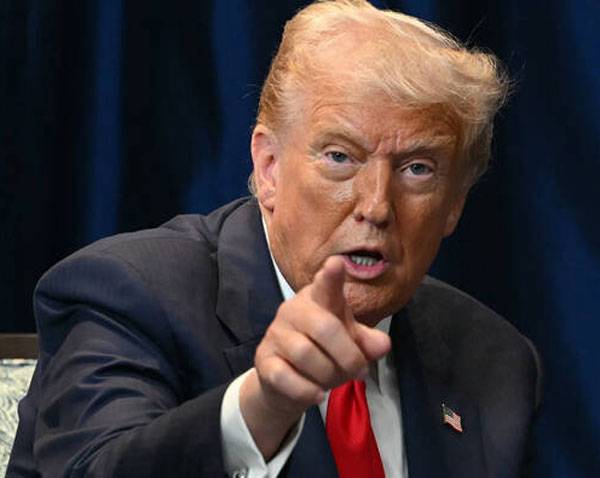
WASHINGTON/ TEHRAN/DUBAI – US President Donald Trump’s meeting to make a “final determination” regarding a deal with Iran ended after two hours without a decision, a senior administration official tells The New York Times.
The official insists an agreement is still close but that certain issues still need to be debated, including the unfreezing of Iranian funds.
Earlier, US President Donald Trump said on Friday that he would decide over a potential deal with Iran to extend their ceasefire that would need to include opening the Strait of Hormuz and dismantling Tehran’s capacity to make a nuclear weapon.
“I will be meeting now, in the Situation Room, to make a final determination,” he said, referring to the White House’s nerve centre for monitoring global crises.
Sources had said a deal was in the offing to extend a truce in place since early April for another 60 days to allow oil and gas shipments to resume through the strategic waterway while negotiators tackle tricky issues such as Iran’s nuclear program.
“Iran must agree that they will never have a Nuclear Weapon or Bomb. The Hormuz Strait must be immediately open, no tolls, for unrestricted shipping traffic, in both directions,” Trump said, adding that nuclear material would be “unearthed” by the U.S.
A senior Iranian source told Reuters that a political understanding over the war had been reached but not yet finalised.
Iran’s semi-official Fars news agency, citing sources, said there was a “mixture of truth and falsehood” in Trump’s comments which were an “attempt to portray a fabricated victory.”
After the U.S. lifts its blockade on Iranian ships, the strait would be reopened but under Tehran’s arrangements, Fars said. There was no provision to destroy nuclear materials in the sides’ Memorandum of Understanding, the agency said, though there was agreement to release $12 billion of Iran’s frozen asset.
The White House said earlier that US and Iran negotiators had reached an agreement on an MoU but that Trump still needed to provide his final approval. Iran denied that it had given its final okay, and Israel is said to believe that Supreme Leader Mojtaba Khamenei has not signed off on the MoU either.
“Iran must agree that they will never have a nuclear weapon or bomb. The Hormuz Strait must be immediately open, no tolls, for unrestricted shipping traffic, in both directions,” Trump says in a Truth Social post, referencing reported terms of the MoU, which were confirmed by the White House yesterday.
“All water mines (bombs), if any, will be terminated (we have removed, through detonation, numerous such mines with our great underwater mine sweepers. Iran will complete the immediate removal and/or detonation of any mines that are left, which will not be many!)” he continues.
“Ships caught in the Strait due to our amazing and unprecedented naval blockade, which will now be lifted, may start the process of ‘heading home!’” Trump added, notably suggesting that he has already made a decision to lift the blockade, even though that was only supposed to happen once the MoU was signed, according to the terms leaked to the press and confirmed by the White House.
It wasn’t clear if Iran had since demanded that the blockade be lifted in advance in order to move forward, or if Trump’s statement was just poorly worded.
While the MoU stipulates that the sides will hold subsequent negotiations during the 60-day ceasefire extension on Iran’s nuclear program, including its stockpiles of highly enriched uranium, Trump again insists that this “nuclear dust” will be “unearthed” and destroyed by the US in close coordination with Iran and the UN’s nuclear energy agency. Tehran has yet to show any indication that it is prepared to accept these terms.
“No money will be exchanged, until further notice,” he adds, ostensibly referring to the sanctions relief Iran is supposed to receive from the US as part of the MoU once it is signed.
“Other items, of far less importance, have been agreed to. I will be meeting now, in the Situation Room, to make a final determination,” Trump adds.
Iran’s Foreign Ministry says that there was still “no final agreement” with the United States to end the Middle East war, after US President Donald Trump said he was making his decision on a potential deal.
“Regarding the understanding, as I said while speaking to you, exchanges of messages are continuing, but no final agreement has been reached yet,” ministry spokesman Esmaeil Baghaei tells state media.
Iran’s top diplomat Abbas Araghchi told his Omani counterpart that reaching a deal with the United States to end the Middle East war depended on Washington dropping its “excessive demands,” Tehran’s Foreign Ministry says.
“The Iranian minister of foreign affairs… indicated that arriving at a final agreement depended on ending the American party’s attitude based on excessive demands and shifting and contradictory positions,” the ministry says in a summary of a call between the ministers.
Meanwhile, Iranian Foreign Minister Abbas Araghchi says he had discussed the Strait of Hormuz and its future administration with Omani Foreign Minister Badr Albusaidi in line with their sovereign responsibilities and international law.
In a post on X, Araghchi says he also expressed Iran’s solidarity with Oman in the face of any threat. Iran launched dozens of drone strikes on Oman, a US ally, during the course of the recent war. Although originally dismissing the idea of partnering with Tehran to charge fees from ships that traverse the Strait of Hormuz, Muscat has more recently realized the scheme could be beneficial to it and expressed willingness to push the plan with Gulf neighbors and with the US, The New York Times reported last week.