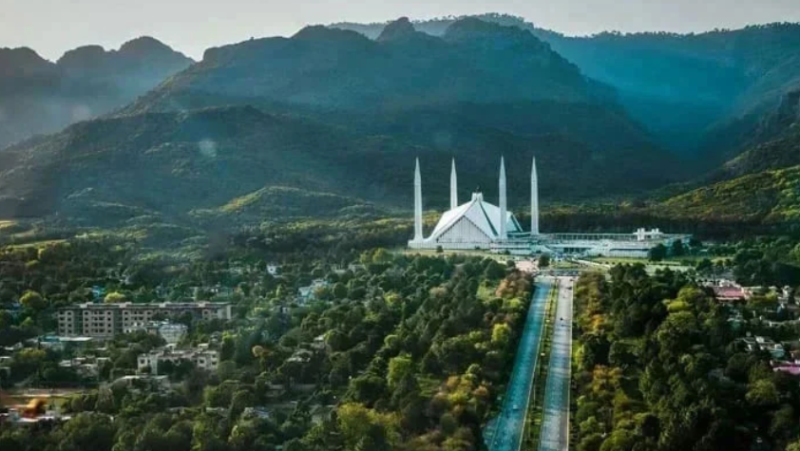
Concerned citizens and environmental experts have raised serious concerns over a growing environmental crisis in Islamabad, blaming rapid, unplanned and largely irreversible urban development carried out by the Capital Development Authority (CDA) and private housing societies in violation of zoning laws.
The concerns were expressed during a webinar organised by the Development Communications Network (Devcom-Pakistan) on Saturday under the theme “Islamabad’s Green Future – Coping with Irrational Development.” The session brought together environmental experts, policymakers, civil society members and citizens to discuss the mounting environmental challenges facing the federal capital.
Speakers warned that Islamabad’s green spaces are steadily being replaced by concrete due to weak governance, elite capture and a continuing conflict between populist decision-making and professional, science-based urban planning. They stressed that such practices are causing long-term ecological damage and threatening the city’s environmental sustainability.
A key outcome of the discussion was a strong call for adopting a collaborative and sustainable approach to urban development through the creation of a dedicated Islamabad-focused think tank. Participants emphasised the need to unite independent professionals, policymakers, civil society and creative communities, including architects, designers and artists, to develop people-centred and long-term solutions.
The webinar highlighted that environmental degradation is not only an ecological issue but also a serious public health concern, making citizen engagement and collective responsibility crucial. Speakers agreed that Islamabad’s green future depends on informed decision-making, institutional reforms and sustained public participation.
Renowned environmental expert Dr Tariq Banuri pointed out that environmental protection efforts are being undermined by institutional weaknesses and the marginalisation — and at times harassment — of environmental professionals and activists working to protect the city’s hills, forests and wildlife habitats.
Participants concluded that without transparent, democratic and inclusive governance, Islamabad’s ecological balance will continue to deteriorate, underscoring the urgent need for sustainable governance models that balance development with environmental conservation.