The UNESCO has inscribed the Kalash valleys in Khyber Pakhtunkhwa’s Chitral district on its World Heritage Tentative List, recognising the region’s unique cultural and environmental significance.
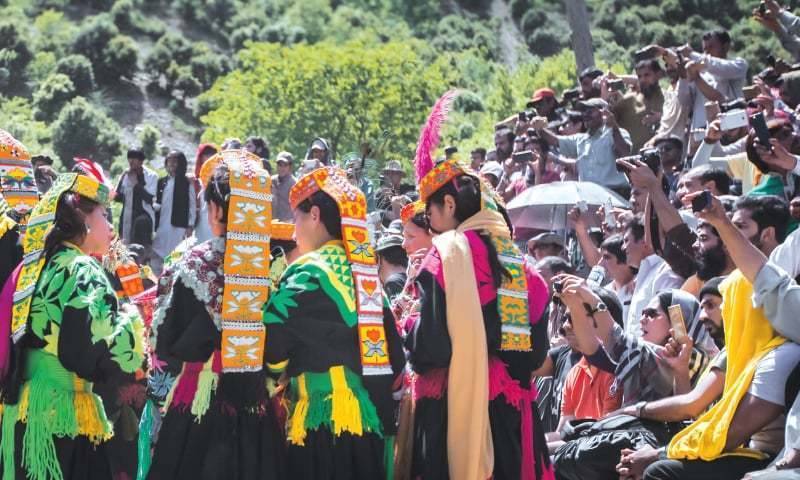
In its description, UNESCO said the Kalasha Cultural Landscape represents an exceptionally well-preserved, continuously inhabited high-mountain environment. Situated in the remote valleys of Bumburet, Rumbur and Birir in the Hindu Kush range, the area remains geographically isolated, surrounded by rugged terrain that has helped sustain the distinct identity of the Kalasha community.
The organisation noted that the landscape has evolved over centuries through a deeply rooted and interdependent relationship between the Kalasha people, their belief systems, settlement patterns and the natural environment.
Highlighting its living heritage, UNESCO said the cultural landscape is not a static relic or an archaeological site frozen in time, but a dynamic system where daily life, rituals, agriculture and governance continue to follow long-established traditions. Both tangible and intangible aspects of heritage remain closely linked, reinforcing a resilient cultural ecosystem.
Khyber Pakhtunkhwa Governor Faisal Karim Kundi termed the development a “proud moment” for the country, saying the inclusion marked a major milestone in recognising Pakistan’s rich cultural heritage globally.
In a statement shared on social media, he said the province is home to some of the world’s most breathtaking landscapes and unique traditions, adding that such recognition was long overdue.
Director General of Archaeology and Museums Khyber Pakhtunkhwa, Dr Abdul Samad, also welcomed the move, calling it a significant achievement. He said the listing reflects the region’s cultural legacy and scenic beauty while elevating Pakistan’s heritage profile internationally.
He added that the milestone was the result of coordinated efforts by the provincial government, the Directorate of Archaeology and Museums, federal authorities and UNESCO, bringing the country’s diverse cultural heritage into sharper global focus.